Seven days in Bhopal, and the story of the vanishing vultures
Every semester at Somaiya Vidyavihar University, students pick one “basket” course outside their main subject: sports, languages, literature, aesthetic arts, nature or spiritual traditions. Pari Agarwal chose nature. It came with a fully funded seven-day trip to Bhopal.
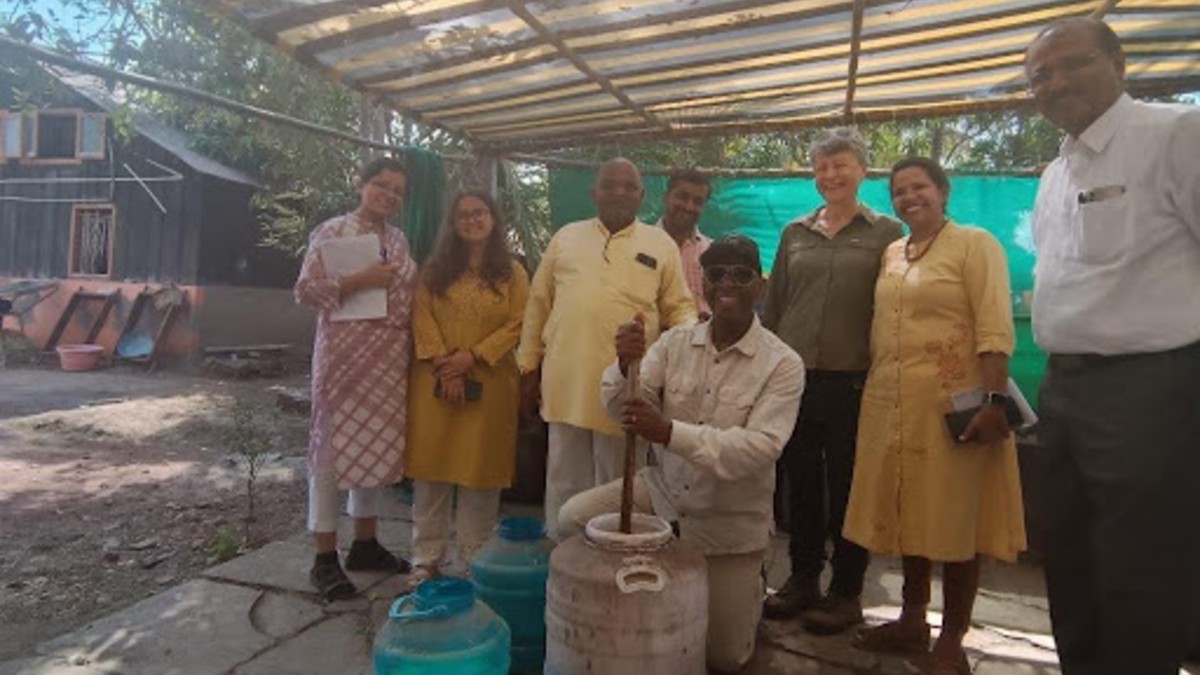
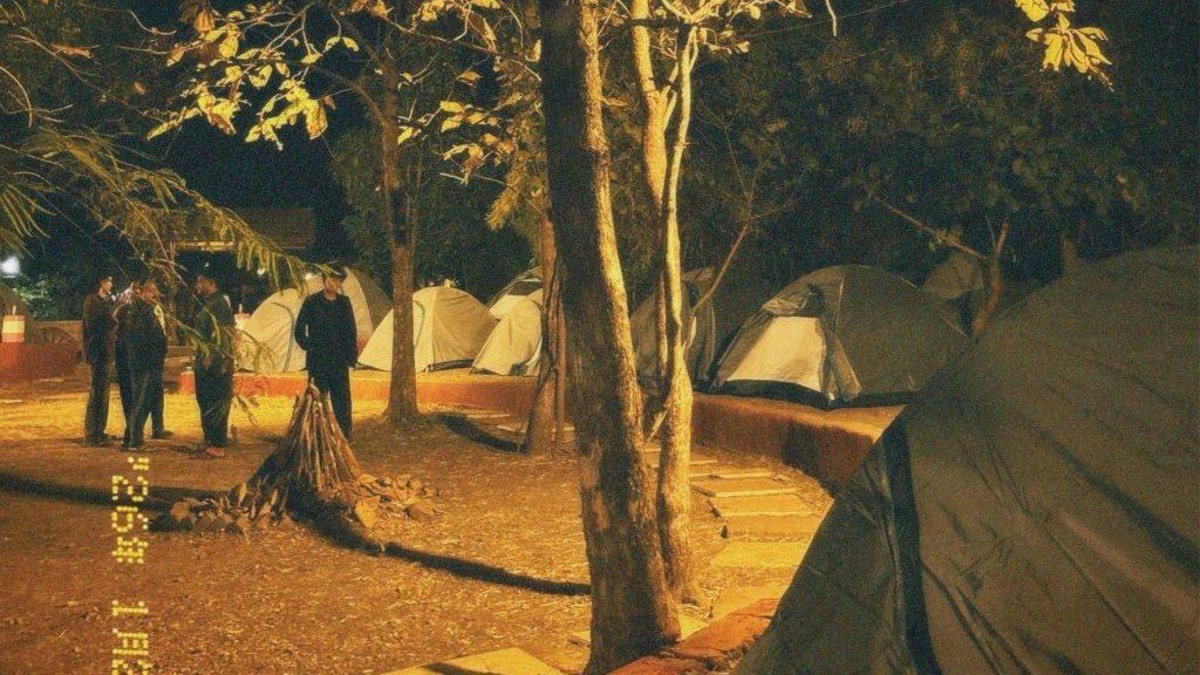
The group stayed at Madhuban Eco Retreat, surrounded by the Ratapani Tiger Reserve, with Shibajee Mitra as their mentor. At Van Vihar National Park, which is part zoo and part rescue centre, Pari saw tigers, lions, sloth bears, panthers, tortoises and snakes.
“Conservation is not just science — it’s community, culture, and responsibility.”
The visit she keeps coming back to is the Vulture Conservation and Breeding Centre. India once had crores of vultures. Since the 1990s, about 99.5% of them have disappeared, largely because of the drug diclofenac. Watching a centre slowly bring them back made her see how much depends on every part of an ecosystem.
At the Tribal Museum, learning about the Gond, Bhil and Baiga communities, she was struck by how many “new” ideas about sustainable living these communities had been practising, in their own way, for generations.
And then there were the tree walks, where the group simply walked and watched. Palash, amaltas, khair and the crocodile bark tree, and birds like parakeets, robins and the Indian roller.
Pari says she came back more resilient, more adaptable and more connected to nature. In her own words: “Experiential learning like this doesn’t just shape knowledge, it shapes perspective.”
Help keep trips like this fully funded, so the chance to go never depends on what a family can afford.